Introduction to Fly Screens for Patio Doors
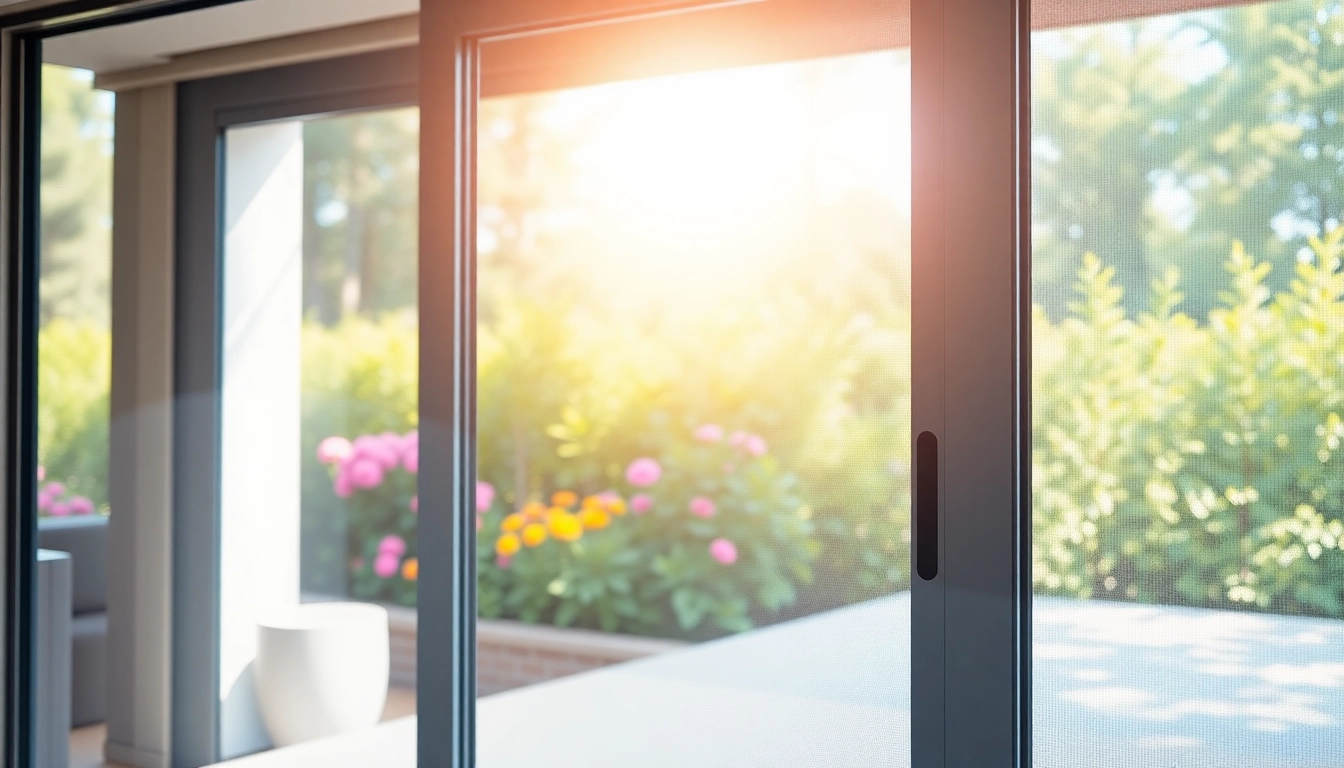
As the warm weather beckons, many of us are inclined to open our patio doors to let in the fresh air while enjoying the scenic outdoors. However, this can also invite unwanted pests into our homes. This is where the fly screen for patio doors comes in handy. Offering a clear barrier to insects while allowing fresh air to circulate, fly screens provide an effective solution to keeping your home comfortable and bug-free.
What is a Fly Screen?
A fly screen is a mesh screen made from fine materials, designed to be fitted over windows and doors to prevent insects from entering while still allowing light and air to pass through. Typically composed of materials such as fiberglass, metal, or plastic, fly screens can be customized to fit various door sizes and types. They come in different configurations, including retractable screens, fixed screens, and magnetic screens, catering to a wide range of user preferences and installation environments.
Benefits of Using Fly Screens
- Insect Protection: The primary purpose of a fly screen is to keep bugs, such as flies, mosquitoes, and other insects, out of your home. This not only improves your comfort but also promotes a healthier living environment.
- Fresh Air Flow: Fly screens help maintain ventilation in your home, providing the much-needed fresh air without compromising on safety.
- Energy Efficiency: By allowing for natural airflow, fly screens can help reduce dependency on air conditioning systems, thus lowering energy bills.
- Enhanced Privacy: Certain types of fly screens can also obscure the view into your home, providing an additional layer of privacy.
- Easy to Maintain: Most fly screens can be easily cleaned with mild soap and water, making upkeep a breeze.
Common Types of Fly Screens
When it comes to selecting a fly screen for your patio doors, you have several options to choose from:
- Fixed Fly Screens: These are permanent screens that are attached directly to the frame of the door. They are perfect for those who do not require frequent access.
- Retractable Fly Screens: These screens can be rolled up or retracted when not in use, offering convenience and aesthetics, especially for multi-use spaces.
- Magnetic Fly Screens: Made of lightweight mesh with magnetic edges, these screens allow for easy entry and exit while maintaining an effective barrier against insects.
- Sliding Screens: These screens slide open and closed along a track system and are particularly suitable for patio doors providing easy access.
Factors to Consider When Choosing a Fly Screen for Patio Doors
Size and Measurements
One of the first steps in selecting the right fly screen is to determine the size of your patio door. Accurate measurements are crucial to ensure a proper fit. Measure the width and height of the door frame, and consider whether the door opens inwards or outwards to choose the correct screen configuration.
Material Options
Fly screens come in a variety of materials, each with its own advantages:
- Fiberglass: Lightweight and durable, fiberglass meshes are resistant to corrosion and provide excellent visibility.
- Aluminum: Known for its strength and durability, aluminum mesh can withstand harsh weather conditions, making it a great choice for exterior applications.
- Plastic: While less durable, plastic screens are often the most affordable option. They are suitable for temporary use or less frequent access areas.
Installation Types
When shopping for a fly screen, consider how you want it to be installed:
- DIY Installation: Many fly screens come with installation kits that are user-friendly, allowing those with basic DIY skills to set them up without professional help.
- Professional Installation: Hiring a professional ensures that your fly screen is installed correctly and effectively, especially for more complex frame types or larger doors.
How to Install Fly Screens on Patio Doors
Preparation Steps
Before beginning the installation, gather all necessary tools and materials, including the fly screen kit, screws, a screwdriver, a measuring tape, and possibly a level for alignment. Additionally, ensure the door frame is clean and free of any debris.
Installation Guide for DIY Enthusiasts
Here’s a step-by-step process for installing a fly screen on your patio door:
- Measure the width and height of your patio door carefully.
- Cut the fly screen mesh to fit the size of your door frame, leaving a small allowance for fitting.
- Attach the screen to the frame using the provided adhesive strips or screws, making sure it is taut and without gaps.
- Test the functionality by opening and closing the door to ensure smooth operation.
- Trim any excess material if necessary for a neat finish.
Professional Installation vs. DIY
While a DIY installation can save costs, hiring a professional guarantees accuracy in fitting, especially for complicated door mechanisms or larger sizes. Professional installers will ensure that the screen is not only functional but visually appealing and securely fitted to withstand daily use.
Maintenance and Care for Fly Screens
Cleaning Your Fly Screen
Regular cleaning is vital to maintain the functionality and appearance of your fly screen. Use a soft brush or a cloth with mild detergent to wipe the mesh and frame. Avoid harsh chemicals as they can deteriorate the screen material.
Troubleshooting Common Issues
Sometimes, you may face issues with your fly screen, such as gaps or difficulty in retracting. Gaps can generally be fixed by adjusting the screen tightly against the frame. For retractable screens, ensure that the tracks are clean, and lubricate the moving parts if necessary.
Long-Term Care Tips
To prolong the lifespan of your fly screen, avoid yanking or pulling harshly when opening or closing. It’s also beneficial to store away any retractable screens during severe weather conditions to prevent damage from high winds or debris.
FAQs About Fly Screens for Patio Doors
What is the best material for fly screens?
Fiberglass is often considered the best due to its combination of durability, visibility, and resistance to rust. Aluminum is a strong alternative but can be more expensive.
Can I install a fly screen myself?
Yes, many fly screens are designed for easy DIY installation. With basic tools and instructions, you can achieve a good fit by yourself.
How do I measure for a fly screen?
Measure the width and height of the door frame. Ensure to account for slight allowances based on the type of screen you are using.
Are fly screens effective against all insects?
Fly screens are effective against the majority of common flying insects like flies and mosquitoes. The effectiveness can vary based on the mesh size.
How often should I clean my fly screen?
Cleaning should be done at least once a month, or more frequently if you live in a dusty area or experience higher insect activity. Regular maintenance keeps screens effective and looking good.