Understanding Central Heating Leaks
Central heating systems are vital for maintaining a comfortable home environment, especially during the colder months. However, leaks within these systems can lead to severe issues, including increased energy costs, water damage, and even structural problems. Understanding the fundamentals of central heating leaks is essential for homeowners to ensure their heating systems remain efficient and effective. When exploring options for central heating leak detection, it’s crucial to address the causes and signs of leaks early to prevent costly repairs.
What Causes Leaks in Central Heating Systems?
Leaks in central heating systems typically arise from various issues, including:
- Corrosion: Over time, pipes and fittings can corrode, especially if they are made of metal. Corrosion weakens the material, leading to holes or cracks.
- Joint Failures: The connections between pipes are often the most vulnerable points in a heating system. Poor installation or wear and tear can result in joint leaks.
- Temperature Fluctuations: Heating systems experience significant temperature changes, which can lead to expansion and contraction of pipes, causing stress and potential leaks.
- Age of the System: Older systems are more susceptible to leaks as the materials degrade over time, making them less reliable.
Signs of Central Heating Leak Detection
Recognizing the signs of a central heating leak is crucial for timely intervention. Common indicators include:
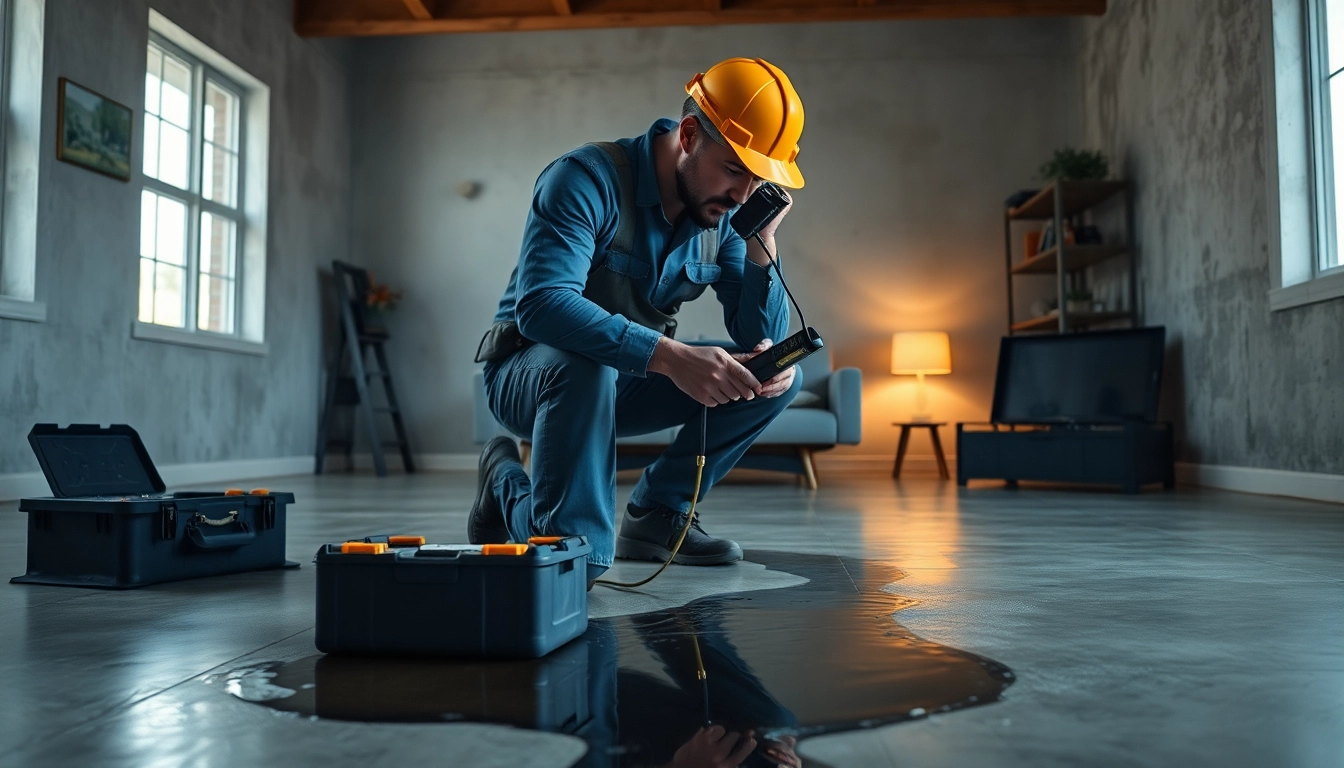
- Water Puddles: Noticeable water accumulation near the boiler or under radiators is a strong indicator of a leak.
- Dripping Sounds: If you hear dripping or hissing sounds, it may suggest water is escaping from the pipes.
- Increased Energy Bills: A sudden spike in your heating bills may be due to a leak, as your system works harder to maintain temperature.
- Cold Spots on Radiators: If radiators are not warming up completely, it may signal that there’s air trapped or a leak affecting hot water circulation.
The Impact of Ignoring Heating System Leaks
Neglecting leaks in your heating system can have severe consequences:
- Damage to Property: Persistent leaks can lead to serious water damage, affecting walls, floors, and ceilings.
- Increased Repair Costs: The longer a leak persists, the more extensive the damage will be, leading to higher repair costs.
- Health Risks: Moist environments can foster mold growth, posing health risks to occupants.
- System Inefficiency: Leaks compromise the efficiency of your heating system, leading to uneven heating and increased energy costs.
Advanced Techniques for Leak Detection
With the right tools and techniques, leak detection can be effective and non-invasive. Modern methods include:
Utilizing Thermal Imaging for Accurate Diagnosis
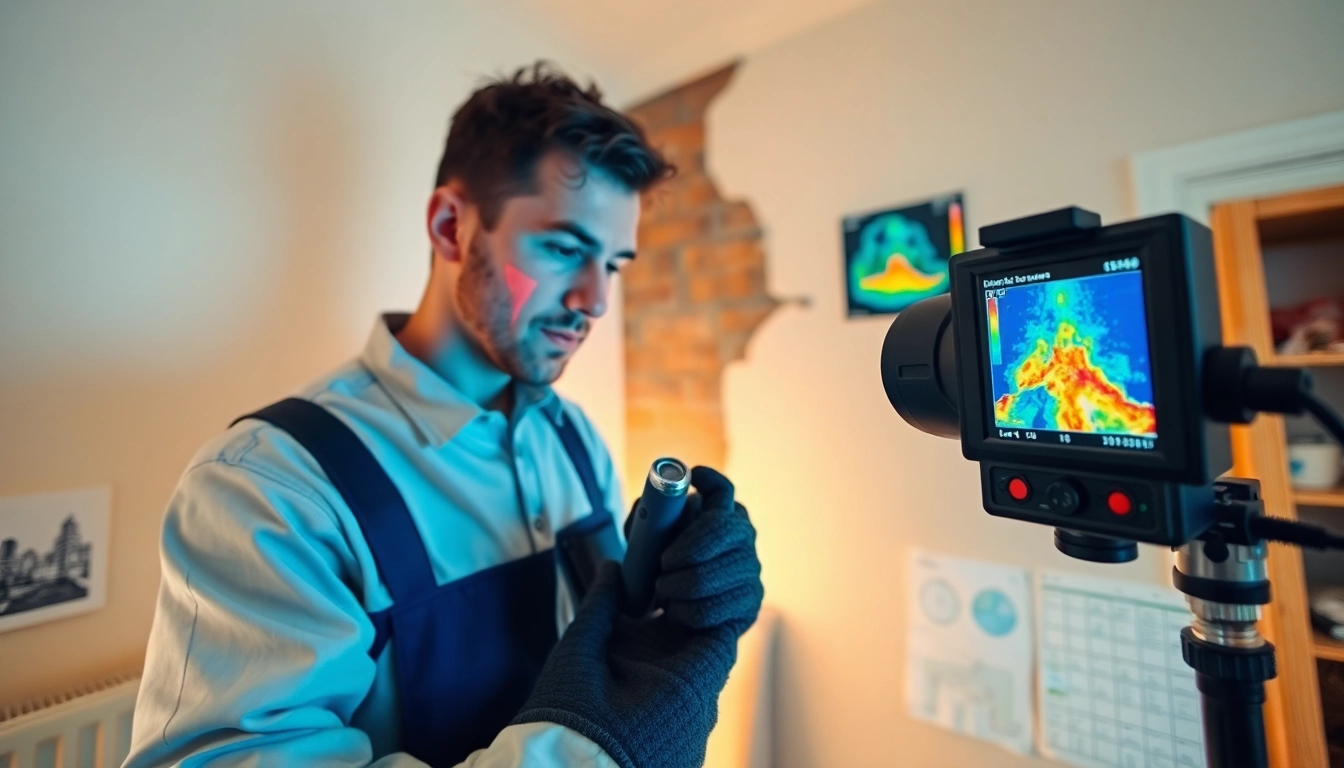
Thermal imaging cameras detect temperature differences caused by leaks, allowing technicians to see where heat is escaping from the system. This method is particularly effective in identifying hidden leaks behind walls or under floors. Thermal imaging provides a visual representation of temperature variances, enabling precise location of the leak.
Acoustic Methods: Listening for Leaks
Acoustic leak detection involves using specialized devices that can amplify the sound of escaping water or gas. This technique is beneficial for locating leaks that are not visible to the naked eye, especially in buried pipes or hard-to-reach areas. Acoustic devices can pinpoint the leak’s location with remarkable accuracy by detecting the sound frequencies associated with leakage.
Pressure Testing: A Reliable Leak Detection Strategy
Pressure testing involves temporarily isolating sections of the heating system and monitoring pressure changes. A drop in pressure indicates a leak in the tested section. This method is effective for confirming the presence of leaks in both new installations and older systems, ensuring that potential issues are addressed before they escalate.
Common Challenges in Leak Detection
While leak detection technologies have advanced, there are still challenges that technicians face:
Identifying Hidden Leaks Behind Walls and Floors
Hidden leaks can pose significant challenges, particularly in homes with complex plumbing layouts. Locations such as behind walls or beneath flooring require advanced detection methods, often involving both thermal imaging and moisture mapping.
Dealing with Older Heating Systems
Older heating systems can be particularly tricky due to outdated materials and technologies, which may not respond well to modern detection methods. Technicians may need to combine traditional techniques with modern technology for effective detection.
Misinformation about Leak Detection Methods
There are many myths surrounding leak detection, from DIY solutions like using soap to check for leaks to misconceptions about the effectiveness of leak sealers. Educating homeowners on reliable methods is essential for effective leak management.
Best Practices for Homeowners
Homeowners can take proactive measures to manage their central heating systems and minimize the risk of leaks:
Regular Maintenance Tips for Central Heating Systems
- Annual Inspections: Schedule yearly inspections with a certified technician to check for potential issues before they lead to leaks.
- Check Pressure Levels: Regularly monitor the pressure levels in your heating system to catch any early signs of leaks.
- Flush the System: Regularly flushing the system can prevent sediment buildup that leads to corrosion and leaks.
When to Call a Professional Leak Detection Service
If you notice any signs of leaks, or if your energy bills have increased unexpectedly, it’s time to call a professional leak detection service. Attempting to diagnose or fix a leak without proper knowledge and tools can lead to further complications.
DIY Inspection Techniques for Homeowners
Homeowners can perform simple inspections to check for leaks before calling professionals:
- Visual Checks: Look for signs of moisture around radiator valves, near the boiler, and on floors.
- Use of Damp Meters: Investing in a moisture meter can help you detect damp areas in walls and floors.
The Future of Leak Detection Technologies
As technology advances, so does the field of leak detection. The future promises even more sophisticated tools to tackle leaks effectively:
Emerging Tools and Technologies in 2025
New technologies, such as AI-driven analytics and advanced sensors, are emerging to predict and detect leaks more efficiently. These innovations can provide real-time monitoring, allowing for immediate action when a leak is detected.
Trends in Non-Invasive Leak Detection
Non-invasive techniques are becoming increasingly popular, minimizing damage to property while ensuring effective leak detection. Techniques like moisture mapping and infrared scanning will continue to evolve, offering even greater precision and speed.
Preparing for the Next Generation of Heating Systems
As homes become smarter, integrating leak detection systems into smart home technology will be crucial. Homeowners will benefit from automated alerts for leaks, allowing for rapid response and repair, thus safeguarding their property from water damage.