
Understanding the Causes of a Leak in Concrete Floor
Experiencing a leak in concrete floor can disrupt your home life in more ways than one. Understanding the underlying causes is crucial to addressing the problem effectively and preventing further damage. Leaks often arise due to various factors, including soil shifts, pipe corrosion, and poor installation practices. These issues can lead to water pooling and moisture build-up, which may only be detected when visible damage has already occurred.
Common Types of Leaks Under Concrete
Leaks under concrete floors can manifest in several forms, each with its specific causes and implications:
- Slab Leaks: These occur when water lines beneath a concrete slab corrode or deteriorate over time, typically affecting copper plumbing.
- Piping Failures: Cracks or holes in plastic or metallic pipes due to wear and tear can lead to significant leaks.
- Soil Settlement Issues: Shifting soil can place undue stress on pipes, leading to cracks and leaks over time.
Identifying Signs of Water Damage
Being able to recognize the signs of a leak in your concrete floor is vital for timely intervention:
- Wet Spots: Unexplained damp patches on your flooring can indicate a hidden leak.
- Rising Water Bills: A sudden increase in your water bill may suggest that water is escaping from pipes.
- Mold Growth: Presence of mold or mildew in your home could be a signal that water is accumulating in areas not easily visible.
Impact of Soil Shifts on Pipe Integrity
Soil shifts are among the leading causes of leaks in concrete floors. As the ground beneath your home settles due to moisture changes, earthquakes, or even construction work nearby, it can create gaps or uneven pressure on the pipes below. Such soil disturbances can compromise the structural integrity of plumbing systems, leading to leaks that require immediate attention.
Detecting a Leak in Concrete Floor: Techniques and Tools
Detecting a leak in a concrete floor can be challenging without the right tools and techniques. Fortunately, advancements in technology have made it easier to identify leaks accurately.
Advanced Leak Detection Technologies Explained
Professional leak detection services utilize advanced technologies to pinpoint leaks:
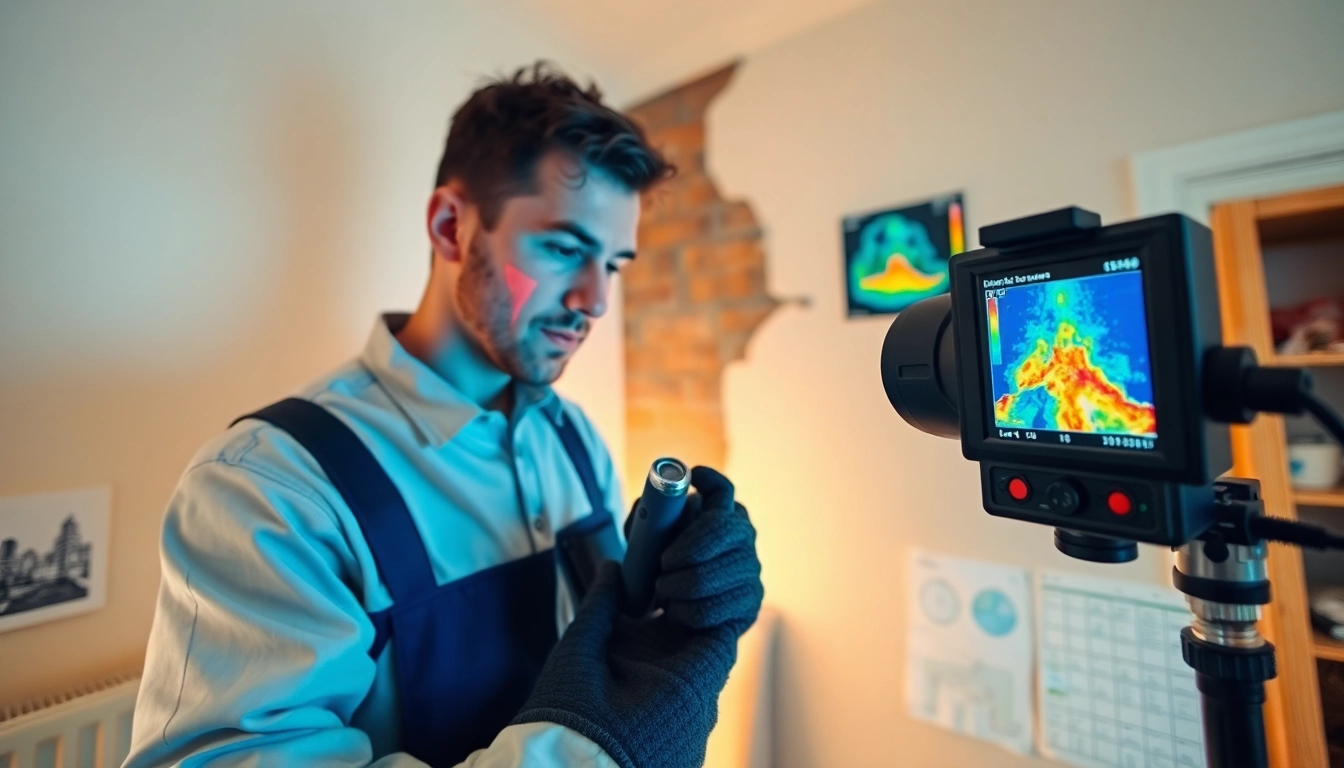
- Thermal Imaging: This technique allows technicians to visualize temperature differences in walls and floors, helping them identify the source of moisture.
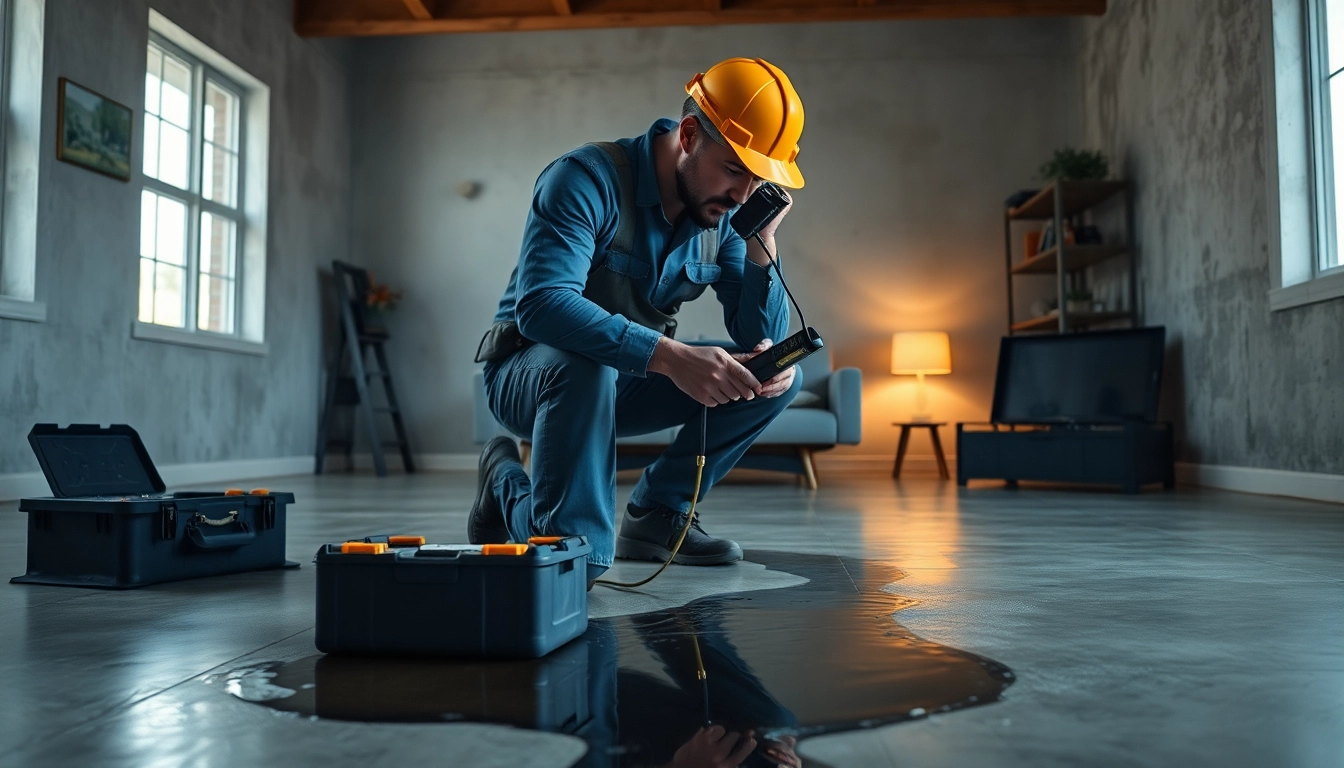
- Acoustic Listening Devices: These devices can capture the sounds of water escaping from pipes, even when they are buried beneath concrete.
- Tracer Gas Detection: By injecting a safe gas into the plumbing system, technicians can trace its escape, thus revealing the leak’s location.
Non-invasive Methods for Leak Detection
When it comes to maintaining the aesthetics and integrity of your home, non-invasive methods are preferred. Techniques such as pressure testing and ultrasound technologies enable leak detection without drastic measures like breaking through concrete.
Using Moisture Mapping and Pressure Testing
Moisture mapping employs specialized sensors to identify damp areas, while pressure testing assesses whether sections of pipes are intact. Both methods can help quickly narrow down the location of the leak, saving time and minimizing disruption.
Repairing a Leak in Concrete Floor: Step-by-Step Process
Once a leak has been confirmed, the next step is repairing it. Understanding the appropriate methods can save homeowners time and money.
Methods for Fixing Under-slab Water Leaks
There are several methods for repairing water leaks under concrete slabs, including:
- Breaking Through the Slab: This traditional approach involves jackhammering the concrete to access and repair the leaking pipe directly.
- Re-piping: In some cases, it may be more efficient to replace the existing pipes, particularly if they are extensively corroded.
- Under-slab Tunneling: A less disruptive alternative that involves tunneling beneath the slab to reach the pipe.
Choosing the Right Repair Strategy
The choice of repair strategy should consider the extent of the damage, the type of plumbing material, and budget constraints. Each method carries its pros and cons, which should align with the homeowner’s needs and the specific situation.
When to Call a Professional Technician
It’s advisable to enlist professional help when:
- The leak is extensive or difficult to assess.
- You lack the necessary tools or expertise to conduct repairs.
- You wish to avoid damaging your property further.
Preventing Future Leaks in Concrete Floors
Taking preventive measures can protect your property from future leaks. Being proactive is key to maintaining your home’s integrity.
Regular Maintenance Practices for Homeowners
To minimize the risk of leaks, homeowners should engage in regular maintenance:
- Inspect plumbing systems periodically for signs of wear.
- Ensure soil grading directs water away from foundations.
- Maintain proper drainage around the property.
Installing Leak Detection Systems
Investing in a reliable leak detection system can provide early warnings about potential leaks, allowing homeowners to address issues before they escalate. Systems typically feature sensors placed in areas prone to leaks, alerting you immediately when water is detected.
Using Quality Materials for Plumbing
Using high-quality, durable materials for plumbing work can significantly reduce the likelihood of leaks. Copper and PEX pipes are considered reliable options due to their resistance to corrosion and wear.
Future Trends in Leak Detection and Repair
The field of leak detection and repair is constantly evolving, driven by technological advancements and a growing emphasis on sustainability.
Innovative Technologies on the Horizon
Emerging technologies such as AI-driven diagnostics and machine learning algorithms promise to enhance leak detection accuracy and speed. Companies are increasingly investing in smart sensors that can integrate with home automation systems, providing real-time monitoring.
Environmental Considerations in Leak Management
With rising awareness about environmental impacts, future trends are likely to prioritize eco-friendly materials and methods. Sustainable plumbing solutions will not only address existing leaks but also enhance the overall water conservation efforts.
Preparing for Changing Climate Conditions in Home Construction
As climate conditions continue to change, adapting plumbing systems to withstand extreme weather events will become crucial. Homeowners may need to consider additional protective measures for their plumbing to prevent leaks from heavy rainfall or flooding.