

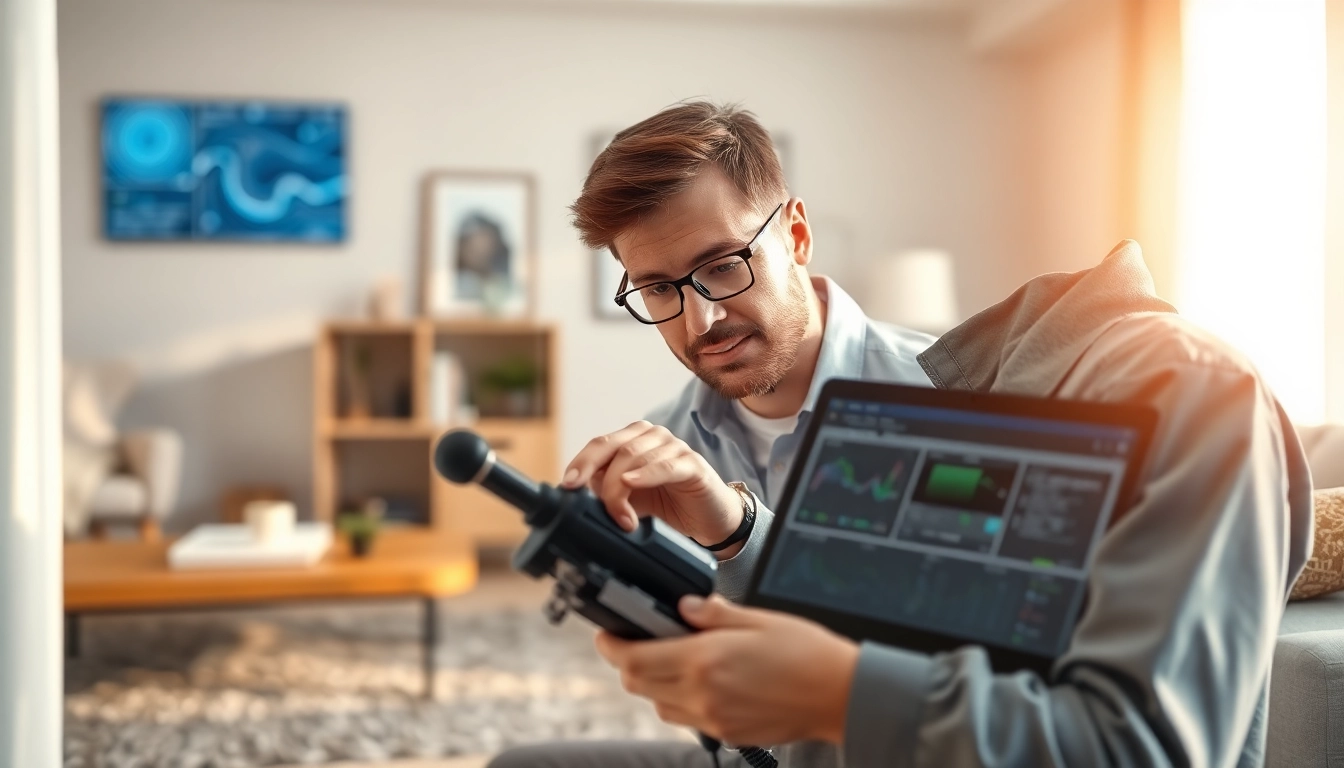
Understanding Water Leak Detection
What is Water Leak Detection?
Water leak detection is a process employed to find and identify leaks in various systems, including plumbing, irrigation, and HVAC systems. This specialized service is essential for homeowners and businesses alike, as water leaks can lead to significant structural damage, increase utility costs, and foster mold growth. With technological advancements, detecting leaks has become more efficient and less invasive than ever. A Water leak Detection Specialist utilizes a variety of techniques to pinpoint leaks, ensuring prompt repairs and safeguarding property value.
Importance of Timely Leak Detection
Timely leak detection is critical for several reasons. First and foremost, it saves money. Small leaks can escalate quickly, leading to higher water bills and potential damage costs that are exponentially greater if left unnoticed. For instance, a dripping faucet might seem innocuous, but over time, the wasted water can amount to significant expenses.
Additionally, leaks can compromise the integrity of your property. Hidden leaks, particularly in walls or beneath floors, can lead to structural issues, mold growth, and other health hazards. The sooner a leak is detected and repaired, the less likely it is for severe and costly damage to occur.
Moreover, early leak detection helps maintain a safe and healthy living or working environment. Water accumulation can lead to mold, contributing to allergies and respiratory problems for occupants. Therefore, utilizing the expertise of a water leak detection specialist can not only protect your property but also promote better health.
Common Types of Water Leaks
Water leaks can manifest in several forms, and identifying the type is crucial for effective detection and repair. Common types of water leaks include:
- Plumbing Leaks: Often found in pipes, faucets, and fixtures.
- Slab Leaks: Occur under concrete slabs, potentially leading to extensive damage if not addressed quickly.
- Roof Leaks: Result from damaged roofing materials that allow water to seep into the home.
- Foundation Leaks: Water intrusion that affects a building’s foundation, threatening its stability.
- Appliance Leaks: Associated with washing machines, dishwashers, and water heaters.
Understanding these types of leaks is essential in the quest for effective detection and resolution.
Who is a Water Leak Detection Specialist?
Qualifications and Skills
A Water Leak Detection Specialist is a trained professional equipped with the knowledge and skills necessary for accurately locating and repairing water leaks. Generally, these specialists possess a background in plumbing, engineering, or a related field, which provides them with insights into how plumbing systems operate.
Essential skills for a leak detection specialist include:
- Technical Expertise: Profound understanding of plumbing systems, including common issues and repair methods.
- Analytical Skills: Ability to evaluate problem areas and utilize diagnostic tools effectively.
- Problem-Solving Skills: Capability to devise effective solutions for leaks based on detection results.
- Communication Skills: Proficiency in explaining findings and solutions clearly to clients.
Key Responsibilities in Leak Detection
Water leak detection specialists have several key responsibilities that contribute to their effectiveness, including:
- Site Evaluation: Conducting comprehensive inspections to assess the property and identify potential problem areas.
- Leak Detection: Utilizing advanced technology to locate leaks accurately without invasive methods.
- Reporting: Preparing detailed reports of findings, including recommendations for repair.
- Collaboration: Working with other tradespeople, such as plumbers or builders, to facilitate repairs.
Staying Updated with Technology
As technology evolves, so do the methods used for leak detection. A committed water leak detection specialist must stay updated on the latest advancements, including new tools and techniques that can enhance accuracy and efficiency. Continuous education through workshops, training sessions, and industry associations can help these professionals maintain their expertise.
Moreover, leveraging new technologies, such as digital moisture meters, thermal cameras, and acoustic listening devices, allows specialists to improve their detection abilities, ensuring quicker response times and reduced damage costs for clients.
Advanced Techniques Used by Water Leak Detection Specialists
Infrared Thermography in Leak Detection
Infrared thermography is a sophisticated technique that involves using thermal imaging cameras to detect changes in temperature that indicate a leak. Water leaks often cause moisture to accumulate, resulting in temperature variations on surfaces. This method allows specialists to visualize the heat emitted from fixtures and walls, effectively showing problem areas.
This non-invasive approach is advantageous as it eliminates the need for destructive testing, preserving the integrity of the property. Additionally, infrared thermography can be used to assess insulation effectiveness, providing valuable insights to property owners.
Acoustic Detection Methods
Acoustic detection is another advanced technique that utilizes sound waves to locate leaks. When water escapes from a pipe, it creates specific sound frequencies that can be detected by specialized listening devices. This technology can accurately identify the location of a leak based on sound patterns without needing to dig or dismantle structures.
Acoustic leak detection is especially useful for underground pipes where access is limited. Trained specialists analyze the acoustic signals to differentiate between normal sounds and those produced by leaks, providing precise leak locations even in challenging environments.
Video Camera Inspections
Video camera inspections involve sending a small camera through plumbing systems to capture real-time footage of the interior. This method allows specialists to visually inspect pipes for breaks, obstructions, and other issues that may lead to leaks.
Using video technology provides a clear understanding of the condition of plumbing systems, making it easier to plan maintenance and repairs accordingly. Clients benefit from seeing the footage alongside the analysis, creating transparency and building trust with the specialist.
Common Challenges Faced by Water Leak Detection Specialists
Identifying Hidden Leaks
One of the most significant challenges is identifying hidden leaks, which are often concealed behind walls, under floors, or in inaccessible areas. These leaks may cause damage over time, making early detection vital.
Specialists often rely on a combination of modern technology and classical investigative skills, such as observing water flow patterns and examining damp areas, to uncover these hidden leak sources. Implementing a systematic approach is essential for effective detection.
Dealing with Various Building Materials
Identifying leaks in different building materials can be challenging, as various substances absorb and transmit water differently. From concrete and brick to wood and drywall, each material can complicate detection efforts. Furthermore, older buildings may have multiple layers of materials that can obscure leaks.
Water leak detection specialists are trained to understand these complexities and adapt their methods accordingly. Employing techniques such as infrared thermography can be particularly useful in assessing different material types, providing insights into dampness and potential leaks.
Client Communication and Education
Effectively communicating with clients is crucial for water leak detection specialists. Clients may feel anxious about the potential damage and cost associated with leaks. Specialists must educate clients about detection processes, potential risks, and the importance of early intervention.
Providing clear communication fosters trust and reassures clients, enabling specialists to explain complex technical details in a way that is easy to understand. Moreover, after the inspection, specialists should offer actionable maintenance tips and demonstrate the importance of regular inspections in preventing future issues.
Measuring Success as a Water Leak Detection Specialist
Performance Metrics to Consider
To ensure effective service, water leak detection specialists should establish performance metrics that gauge their effectiveness. Some essential metrics include:
- Detection Accuracy: The percentage of successful detections compared to false positives.
- Customer Satisfaction Rates: Based on client feedback and reviews, reflecting the quality of service.
- Response Time: Speed of initial engagement from the time of leak report to on-site evaluation.
- Cost-Efficiency: Evaluating the cost of services relative to customer satisfaction and resolution outcomes.
Client Feedback and Reviews
Positive client feedback and online reviews often serve as key indicators of the trustworthiness and reputation of a water leak detection specialist. Regularly soliciting feedback can offer invaluable insights into areas for improvement while reinforcing the efficacy of successful techniques.
Moreover, following up with clients after service completion can help gauge overall satisfaction and determine if the solutions provided were effective. A specialist’s willingness to adapt based on feedback fosters stronger relationships with clients and enhances the professional’s credibility.
Continuous Improvement and Training
Continuous improvement is essential for a water leak detection specialist to remain competitive in the industry. Regular training enables specialists to stay abreast of new technologies and methodologies, optimizing their service delivery. Networking with peers and participating in industry workshops also contributes to professional growth.
Additionally, embracing a culture of learning helps specialists adapt to the ever-evolving landscape of building technologies and plumbing systems, ultimately leading to better service outcomes for clients.