
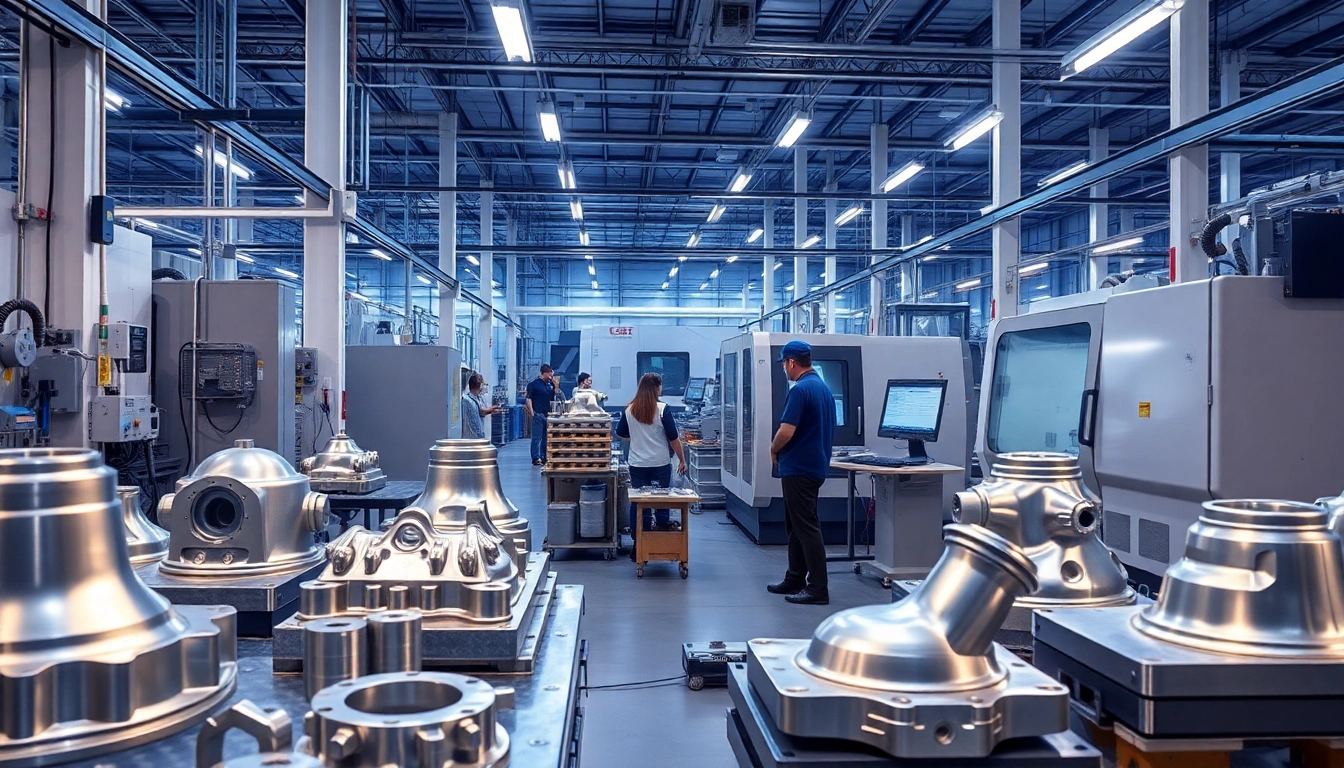
Understanding Precision Die Casting in Malaysia
Precision die casting is a sophisticated manufacturing process that has gained substantial traction in Malaysia, positioning the country as a prominent player in the global die casting industry. This method allows for the production of incredibly detailed and precise metal parts used in various sectors, including automotive, electronics, and industrial applications. As industries increasingly demand high-quality components, understanding the nuances of precision die casting malaysia becomes essential for manufacturers and businesses alike.
What is Precision Die Casting?
Precision die casting involves pouring molten metal into a reusable mold to create components with high dimensional accuracy and smooth surface finishes. The process is categorized into two primary types: hot chamber and cold chamber die casting. Hot chamber die casting is typically used for metals with low melting points, such as zinc and lead, while cold chamber die casting is employed for materials like aluminum and magnesium.
This method is favored for its ability to produce intricate designs that are consistent and reliable, making it an optimal choice for industries focused on mass production. With the increasing need for precision components, Malaysia’s die casting manufacturers are embracing advanced technologies to enhance efficiency and maintain high standards.
Key Benefits of Precision Die Casting
- High Accuracy: One of the main advantages of precision die casting is the exceptional accuracy it offers. Components produced are often within tolerances of ±0.1 mm, ensuring that parts fit together seamlessly in assemblies.
- Cost-Effective: Although the initial setup cost for dies can be high, the long-term savings from reduced scrap rates and lower labor costs make precision die casting an economically viable option for mass production.
- Versatility: Precision die casting can produce a wide array of parts for various industries, showcasing its adaptability. It allows for the use of different alloys and finishes, catering to specific application needs.
- Efficient Production: This process facilitates high-speed production of components, which is crucial for meeting the demands of fast-paced industries.
Applications Across Industries
Precision die casting is widely utilized across various sectors. The automotive industry is one of the largest consumers, requiring lightweight yet durable components for vehicles. Manufacturers use precision die casting for parts such as engine blocks, transmission cases, and structural components.
The electronics industry also relies on this method for producing intricate parts such as housings, connectors, and heat sinks, where precision is critical to ensure functionality and safety. Additionally, sectors like aerospace, medical devices, and consumer goods benefit from the technical advantages offered by precision die casting.
Industry Trends Shaping Die Casting in 2025
As we move towards 2025, several trends are emerging that are likely to shape the future of precision die casting in Malaysia. These trends reflect the industry’s response to technological advancements, market demands, and sustainability efforts.
Technological Advancements and Innovations
The die casting industry is experiencing rapid technological growth, particularly in automation and digitalization. Advancements such as automated die casting machines are enhancing production efficiency while minimizing human error. Moreover, the integration of Industry 4.0 concepts, including IoT (Internet of Things) and AI (Artificial Intelligence), allows for real-time monitoring and predictive maintenance, driving up quality and reducing downtime.
Market Demand and Growth Projections
The global demand for precision die casting is expected to grow significantly by 2025, driven by sectors like automotive and electronics. As manufacturers seek lighter and stronger materials to improve fuel efficiency and performance, the role of precision die casting becomes increasingly critical. Analysts predict that the market will expand at a compound annual growth rate (CAGR) of over 5% in the next few years, with Malaysia positioned to capitalize on this growth due to its strategic location and robust manufacturing capabilities.
Environmental Considerations in Die Casting
With growing awareness of environmental issues, the die casting industry is under pressure to adopt more sustainable practices. Manufacturers are increasingly focusing on reducing waste, minimizing energy consumption, and implementing recycling programs. By investing in greener technologies and processes, die casting companies in Malaysia can enhance their competitive edge while contributing positively to the environment.
Selecting the Right Die Casting Manufacturer
Choosing the right precision die casting manufacturer is crucial for businesses looking to produce high-quality components. Potential clients should consider several key factors to ensure they partner with the best provider.
What to Look for in a Manufacturer
- Experience: Opt for a manufacturer with a proven track record in the industry, as experience often correlates with reliability and quality.
- Technology: Evaluate the technological capabilities of the manufacturer. Advanced machinery and processes translate into better quality and efficiency.
- Customer Service: A manufacturer that provides excellent customer support and clear communication can significantly enhance the partnership experience.
Evaluating Capabilities and Certifications
It is essential to assess the capabilities of potential die casting manufacturers. Look for certifications such as ISO 9001, which indicates adherence to quality management standards. Furthermore, manufacturers that invest in continuous improvement practices are likely to provide higher-quality products.
Cost Factors and Budgeting Tips
While cost is a crucial factor in the decision-making process, it should not be the sole consideration. Potential clients should assess the total value offered, including quality, reliability, and service. Establishing a clear budget while allowing flexibility for quality considerations can lead to a more satisfactory outcome in the long run.
Common Challenges in Precision Die Casting
Despite its advantages, precision die casting does face several challenges that manufacturers need to manage effectively.
Addressing Quality Control Issues
Maintaining consistent quality is a significant challenge in precision die casting. Variations in materials or processes can lead to defects. Implementing robust quality control measures, such as in-line inspections and testing, can mitigate these risks.
Mitigating Production Delays
Production delays can result from various factors, including equipment failure, material shortages, or unforeseen demand fluctuations. To address this, manufacturers should invest in preventative maintenance and establish strong supplier relationships to ensure material availability.
Handling Material Sourcing Concerns
The sourcing of high-quality materials is critical for successful die casting operations. Fluctuations in metal prices and availability can impact production timelines and costs. Manufacturers might consider developing partnerships with trusted suppliers or exploring alternative materials to safeguard against these challenges.
Future of Precision Die Casting in Malaysia
As we look towards the future, the landscape of precision die casting in Malaysia is poised for significant transformation driven by emerging technologies and collaborative strategies.
Emerging Technologies and Practices
Innovative practices such as additive manufacturing are anticipated to complement traditional die casting methods. By leveraging 3D printing for prototyping, manufacturers can reduce lead times and enhance design flexibility. The convergence of these technologies is expected to revolutionize the industry, making it more agile and responsive to market demands.
Strategic Partnerships and Collaborations
Strategic partnerships between manufacturers, research institutions, and technology providers will foster an environment of innovation in the Malaysian die casting industry. These collaborations can lead to shared resources, knowledge exchange, and the development of cutting-edge solutions tailored to specific market needs.
Predictions for the Industry Beyond 2025
Looking beyond 2025, the precision die casting industry is likely to experience continued growth fueled by advancements in technology and shifts in market demands. As sustainability becomes a central focus for manufacturing sectors, companies that embrace eco-friendly practices and innovative processes will have a competitive advantage.