Understanding Sports Broadcasting
What is Sports Broadcasting?
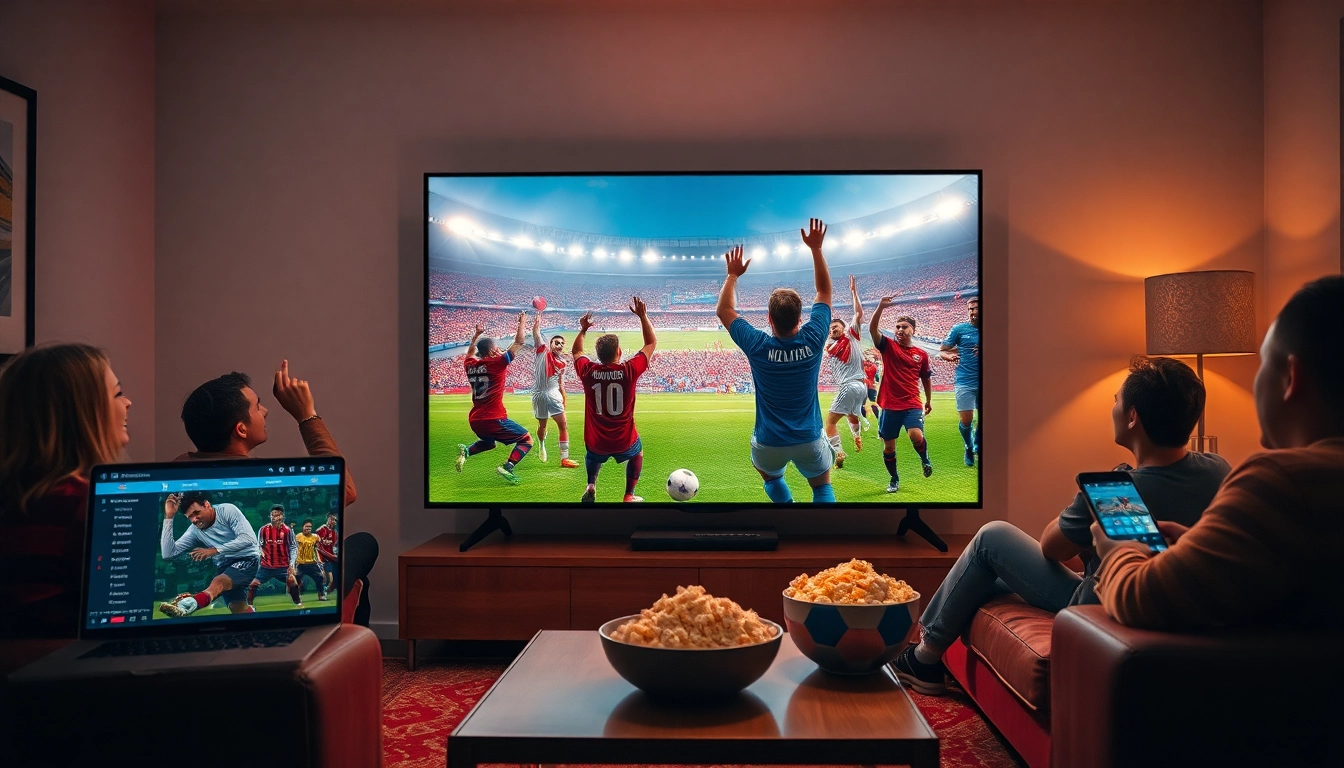
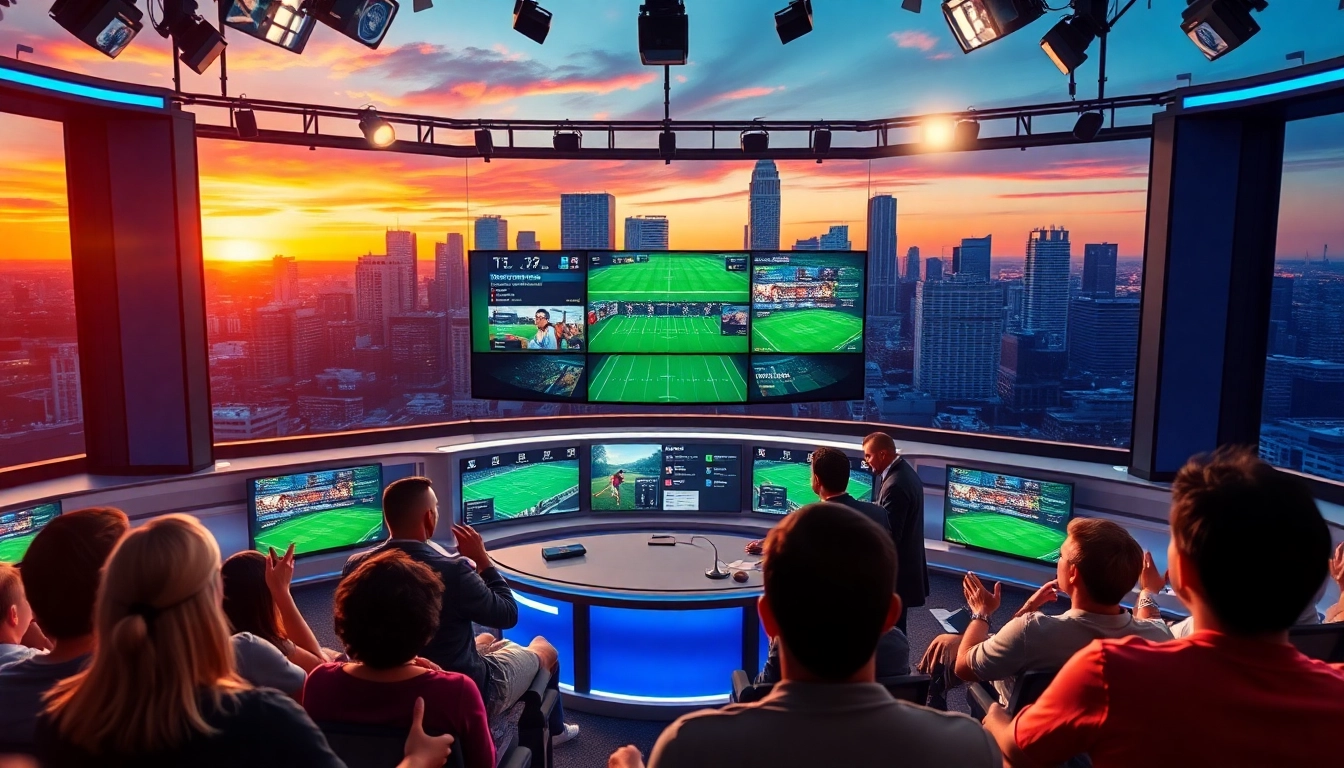
Sports Broadcasting is the practice of transmitting live or recorded sports events through various media platforms, including television, radio, and online streaming. It serves as a bridge connecting sports enthusiasts with the action, commentary, and relevant information surrounding their favorite sports. Broadcasters play a pivotal role in shaping the viewers’ experience, making it an essential facet of the modern sports industry. Through a well-executed Sports Broadcasting framework, audiences are not only informed but also entertained, as they engage with the narratives behind the games.
The Evolution of Sports Broadcasting
The journey of sports broadcasting has evolved significantly since its inception. Initially, sports events were covered through print media, progressing to radio broadcasts in the 1920s, which brought the excitement of live action to audiences who were unable to attend in person. The introduction of television in the 1950s revolutionized the landscape, allowing for visual storytelling that engaged viewers on an unprecedented scale. With advancements in technology, the rise of the internet and streaming services has further transformed how sports are consumed, giving rise to personalized experiences via mobile applications and social media platforms.
Key Components of Sports Broadcasting
Effective sports broadcasting encompasses several key components:
- Live Coverage: Delivering real-time updates and coverage of sports events as they unfold.
- Commentary: Providing expert analysis and insights that enrich the viewer’s understanding of the game.
- Production Quality: Utilizing advanced broadcasting technologies and techniques to deliver high-definition audio and visual experiences.
- Audience Interaction: Engaging viewers through polls, social media, and live audience feedback enhances the overall experience.
Essential Skills for Sports Broadcasters
Communication and Presentation Skills
One of the most critical areas for sports broadcasters lies in their ability to communicate effectively. This extends beyond simply conveying information; it involves engaging storytelling, delivering passionate commentary, and connecting with the audience on emotional levels. Clear articulation, appropriate tone, and strong diction are essential for maintaining viewer interest. Additionally, understanding body language and facial expressions can enhance delivery, especially in video broadcasts.
Technical Proficiency in Broadcasting Tools
In today’s digital age, sports broadcasters must possess a high level of technical proficiency with broadcasting tools and equipment. Familiarity with on-air graphics, sound equipment, video editing software, and transmission technologies is crucial. Broadcasters should also be adept at using various platforms to disseminate content efficiently. This technology-savvy approach not only improves broadcast quality but also enhances the audience’s viewing experience.
Research and Preparation
Thorough research and preparation are fundamental to successful sports broadcasting. Broadcasters need to be informed of the latest team statistics, player performance, historical context, and relevant news that could impact the game being covered. Preparing notes, building key talking points, and developing a narrative for each event helps ensure broadcasts are informative and engaging while maintaining credibility and authority.
Analyzing Audience Engagement in Sports Broadcasting
Understanding Viewer Preferences
To capture and retain the attention of viewers, it’s imperative to understand their preferences. Analyzing metrics such as viewership demographics, engagement rates, and feedback can provide valuable insights. Conducting surveys or interactive social polls before, during, and after events can help broadcasters tailor their content to meet audience expectations and interests, thereby fostering a loyal viewership.
Creating Interactive Broadcasting Experiences
Creating interactive broadcasting experiences involves encouraging viewer participation through real-time polls, fan challenges, and Q&A segments. Incorporating user-generated content can also enhance engagement levels, allowing fans to feel more connected to the broadcast. As audiences increasingly seek personalized experiences, broadcast innovations must cater to these desires, ensuring content relevance and enhancing viewer satisfaction.
Utilizing Social Media for Engagement
Social media platforms present unique opportunities for sports broadcasters to connect with audiences. Leveraging platforms like Twitter, Facebook, and Instagram enables broadcasters to share live updates, post behind-the-scenes content, and facilitate conversations around events. Engaging with fans in these spaces, whether through responding to comments or sharing viewer-generated content, creates a community atmosphere that enhances loyalty and encourages continued viewership.
Best Practices for Effective Sports Broadcasting
Tips for On-Air Performance
On-air performance plays a significant role in sports broadcasting. Broadcasters should practice active listening, allowing them to respond appropriately to co-hosts and guests. Familiarity with pacing, voice modulation, and clarity is essential for keeping audiences engaged. Additionally, creating a cohesive team environment among on-air talent can improve overall chemistry and the cohesion of broadcasts, leading to a more enjoyable viewer experience.
Maintaining Ethical Standards in Broadcasting
Ethical considerations are paramount in maintaining credibility and trustworthiness in sports broadcasting. Broadcasters should strive to report with impartiality, respect individuals’ privacy, and prioritize accuracy in all reporting endeavors. This commitment to ethical broadcasting reinforces the integrity of the media and cultivates a strong relationship with viewers who rely on broadcasters for truthful information.
Leveraging Analytics for Improvement
Analyzing performance metrics is fundamental for continuous improvement in sports broadcasting. Gathering data on viewer habits, peak viewership times, and audience retention rates can help identify what works and what doesn’t. Using analytics tools to make data-driven decisions can inform strategy adjustments, enhance content offerings, and ultimately lead to a more successful broadcasting operation.
Future Trends in Sports Broadcasting
The Impact of Technology on Sports Broadcasting
Technology is reshaping the landscape of sports broadcasting at an astonishing pace. High-definition and 4K broadcasts provide audiences with stunning clarity, while immersive audio technologies improve the auditory experience. AI-driven analytics can enrich commentary and offer deeper insights, transforming how audiences perceive and engage with sports. Staying ahead in this technological arms race is essential for broadcasters looking to maintain relevance.
Emerging Formats and Platforms
As consumption habits evolve, new formats and platforms continue to gain traction. The growth of streaming services tailored for sports brings additional competition, as viewers can access content whenever and wherever they choose. Short-form content on platforms like TikTok and Instagram creates exciting opportunities for innovative storytelling while presenting challenges for traditional broadcasters to adapt and survive.
The Role of Virtual and Augmented Reality
Virtual and augmented reality technologies are set to change the game in sports broadcasting. By offering augmented experiences, such as virtual stadium tours or player performance overlays, broadcasters can captivate audiences in ways never before possible. These technologies not only enrich the viewing experience but also create additional revenue streams through sponsorships and branded content tied to immersive experiences.
FAQs
What is sports broadcasting?
Sports broadcasting involves transmitting live or recorded sports events through various media platforms, including television, radio, and online streaming.
What skills are necessary for a sports broadcaster?
Key skills include strong communication, presentation abilities, technical knowledge of broadcasting equipment, and in-depth sports knowledge.
How can I engage more viewers in sports broadcasting?
Engage viewers by utilizing social media, creating interactive content, and understanding viewer preferences to tailor your broadcasts.
What technologies are shaping the future of sports broadcasting?
Technologies such as virtual reality, augmented reality, and advanced analytics are significantly influencing how sports are presented to audiences.
What are some ethical considerations in sports broadcasting?
Ethical considerations include maintaining impartiality, respecting privacy, and ensuring accuracy in reporting to uphold journalistic integrity.