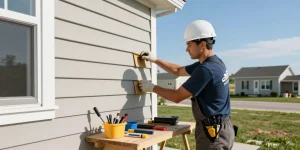
Expert Guide to Spray Foam Removal Portsmouth: Safe & Effective Techniques

Understanding Spray Foam Removal Portsmouth
Spray foam insulation provides excellent thermal resistance and air sealing, making it a popular choice for homes. However, there are instances when spray foam removal Portsmouth becomes a necessity. Understanding the reasons behind its removal and the appropriate methodologies can ensure homes remain safe and comfortable. This section will delve into what spray foam is, why it might need to be removed, and the associated health and safety concerns.
What is Spray Foam?
Spray foam insulation is created from a mixture of isocyanates and polyols that, when combined, expand on contact to form a solid foam. This material provides exceptional insulation, sealing gaps and cracks that can lead to energy loss. Its installation is straightforward, often resulting in an airtight barrier, thus improving energy efficiency. However, despite these benefits, spray foam is not without its drawbacks, particularly when it deteriorates or is incorrectly installed, necessitating removal.
Common Reasons for Removal
There are several reasons why one might need to consider spray foam removal:
- Improper Installation: If the spray foam was applied incorrectly, leading to performance issues or structural damage, removal may be required.
- Moisture Issues: Spray foam can trap moisture within walls or ceilings, resulting in mold growth and other water damage.
- Health Concerns: Off-gassing from spray foam can lead to indoor air quality problems, potentially requiring its removal.
- Renovations: During home renovations, existing spray foam may need to be removed to allow for new structures or systems.
Health and Safety Concerns
Health and safety should always be a priority when dealing with spray foam insulation. The chemicals in spray foam, particularly when poorly installed or old, can lead to various health issues. Some concerns include respiratory problems, skin irritations, and potential long-term effects from prolonged exposure. Therefore, it’s vital to assess potential risks before initiating removal.
Preparation for Spray Foam Removal
Before commencing spray foam removal, thorough preparation is essential. Proper equipment and safety measures will facilitate a smoother process and mitigate risks during removal. This section discusses the essential tools and equipment, the necessary safety precautions, and how to assess the area.
Essential Tools and Equipment
To begin with, you’ll need specific tools and equipment that ensure the safe and effective removal of spray foam:
- Protective Gear: Safety goggles, gloves, masks, and coveralls are essential to protect against allergens and irritants.
- Utility Knife or Foam Cutter: These tools help in cutting through the foam precisely.
- Heat Gun: Applying heat can soften spray foam, making it easier to remove.
- Saws and Scrapers: Useful for removing large sections and leftover foam.
- Vacuum: A shop vacuum assists in cleaning up dust and debris during and after the removal process.
Safety Precautions to Take
Ensuring safety during the removal process is paramount. Here are some key safety precautions:
- Ventilation: Ensure the area is well-ventilated to minimize inhalation of any fumes or dust.
- Consistent Use of Protection Gear: Never compromise your personal protective equipment, even during short breaks.
- Awareness of Chemical Exposure: Be mindful of any health effects from chemical exposure during and after removal.
- Informed Help: Consider hiring professionals if you’re unsure about any aspect of the process.
Assessing the Area Before Starting
Before you begin, a thorough assessment of the work area is essential. Look for any signs of moisture, damage, or structural weaknesses. Understanding the extent of the foam application will help you plan the removal effectively. Ensure that all wiring or plumbing is identified to prevent accidental damage during the removal process.
Step-by-Step Process for Spray Foam Removal Portsmouth
Executing the removal process methodically can help in achieving optimal results. Here, we outline a step-by-step guide to effectively remove spray foam insulation.
Initial Assessment and Planning
The first step involves assessing the area where the spray foam is applied and creating a detailed plan. Take measurements and note areas that appear damaged or have irregularities. Discuss the removal process with any on-site professionals to align your plan with safety protocols and operational timelines.
Techniques for Effective Removal
Effective removal techniques vary depending on the location and amount of spray foam applied. Potential methods include:
- Cuts and Strips: Use a utility knife to create clean cuts around the foam before prying it away from the surface.
- Heating: Apply heat gently to soften the foam, making it easier to scrape away.
- Layering: If the foam is particularly thick, remove it in layers to manage the process without damaging the underlying surfaces.
Disposing of Removed Foam Responsibly
Disposing of removed spray foam should align with local regulations regarding hazardous materials. Always check local guidelines to ensure proper disposal methods. If the foam cannot be recycled, ensure it’s sent to a waste facility equipped to handle such materials.
Post-Removal Considerations
Following the removal process, several steps ensure the area is left clean and functional. Here, we will explore the cleaning and restoration steps, repairing any damage, and assessing future insulation options.
Cleaning and Restoration Steps
Cleaning the area post-removal is critical. Utilize a vacuum to collect dust and debris left from the foam. Surfaces may need scrubbing to remove any residual adhesive. Making sure space is clean will prepare it for any subsequent repairs or installations.
Repairing Any Damage
Once cleaning is complete, inspect for any damage caused by the foam itself or the removal process. Resolve these issues before applying new insulation. This may involve patching holes, repainting, or fixing any structural weaknesses revealed during the removal.
Future Insulation Options
Consideration of future insulation should weigh factors like energy efficiency, material costs, and planned uses of the space. Options include cellulose, fiberglass, or even reapplying spray foam if conditions permit. Research each option to discern which fits best for your specific needs.
Frequently Asked Questions About Spray Foam Removal Portsmouth
How long does the removal process take?
The removal process varies based on the area size and foam thickness but generally takes 1 to 3 days.
Is professional removal necessary?
While some may attempt DIY removal, professionals ensure safety and efficiency, particularly with hazardous materials.
What safety gear should I wear?
Safety goggles, gloves, a mask, and coveralls are necessary to protect against dust and chemicals during the removal.
Can I remove the spray foam myself?
While it is possible, DIY removal entails risks; professional help is advised for larger or problematic areas.
What are the costs involved?
Costs depend on the extent of foam removal and disposal fees, with prices generally ranging between £500 and £2,000.