The Art of Choosing Designer Menswear for Memorable Occasions

Understanding Designer Menswear
What Defines Designer Menswear?
Designer menswear represents a unique blend of artistry and craftsmanship, characterized by high-quality materials, exclusive designs, and meticulous attention to detail. Unlike mass-produced clothing, designer menswear often embodies a distinctive style that allows men to express their personality and taste. These garments are created with precision and creativity, making each piece not just an item of clothing, but a work of art. The uniqueness of designer menswear lies in its ability to elevate the wearer’s wardrobe, making it a worthwhile investment for individuals who value both aesthetics and quality.
Key Features to Look For
When shopping for designer menswear, several key features differentiate these pieces from standard offerings:
- Fabric Quality: Designer pieces use premium fabrics such as silk, cashmere, or high-thread-count cotton, offering comfort and durability.
- Craftsmanship: Look for precise stitching, robust seams, and thoughtful construction techniques that ensure longevity.
- Fit and Cut: Designer menswear is often tailored to provide a flattering silhouette, making it essential to focus on how the garment fits across various body types.
- Exclusivity: Many designers produce limited runs, ensuring that the pieces remain unique and not widely available.
- Style Elements: Signature design elements such as unique patterns, distinctive colors, and innovative cuts define the style and aesthetic appeal of designer wear.
Benefits of Choosing Designer Pieces
There are numerous advantages to investing in designer menswear. First and foremost is the quality; designer garments often outlast budget-friendly options, offering long-term savings. Secondly, the unique design elements allow for personal expression, letting wearers showcase their individuality. Additionally, many pieces can be versatile, transitioning seamlessly from formal to casual settings. Finally, owning designer clothing elevates one’s image, exuding sophistication and confidence that can positively impact personal and professional interactions.
Styling Tips for Designer Menswear
Pairing Outfits: A Guide
Creating an outfit with designer menswear requires an understanding of how different pieces work together. Start with a foundational item, such as a tailored suit or a crisp dress shirt. Consider the event and season when choosing complementary colors and patterns. For example:
- Formality: Pair a well-fitted blazer with tailored trousers for a corporate look, or opt for a designer tuxedo at formal events.
- Contrast: Mix textures, like pairing a wool blazer with a silk shirt, to add depth and interest to your outfit.
- Layers: In cooler months, layering can offer both style and warmth. Consider a designer overcoat or scarf that accents your overall appearance.
Accessorizing with Elegance
Accessories can accentuate your ensemble without overwhelming it. Choose pieces that reflect your personal style while maintaining a sophisticated approach. Essential accessories include:
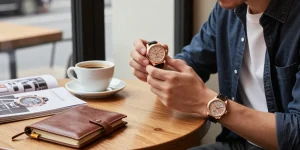
- Watches: A classic timepiece adds a touch of elegance and can serve as a conversation starter.
- Belts: A high-quality leather belt in a matching color can tie your look together beautifully.
- Jewelry: Keep it minimal with understated cufflinks or a simple bracelet to maintain focus on the overall outfit.
Footwear Choices that Enhance Your Look
Choosing the right footwear is crucial in completing your designer menswear ensemble. The type of shoes you wear can transform your overall appearance. Here are some options:
- Oxfords: Perfect for formal occasions, these shoes complement suits and tailored outfits seamlessly.
- Loafers: Great for business casual settings, loafers offer comfort without compromising style.
- Stylish Sneakers: For a more relaxed vibe, consider designer sneakers that can add a sporty yet chic touch.
Event-Specific Designer Menswear
Weddings: Dressing for the Occasion
Weddings call for sophisticated and thoughtful dressing, and choosing the right designer menswear can set the tone for your appearance. First, consider the wedding theme—traditional, summer, or beach wedding attire is unique. Opt for fitted suits in classic colors like navy or charcoal for a formal invitation. For less formal settings, lighter fabrics and colors can provide a fresh and modern flair. Remember to coordinate with the wedding party while ensuring your personal style shines through.
Corporate Events: Balancing Professionalism and Style
Corporate events often require a blend of professionalism and style. Invest in tailored suits that reflect your career level, choosing fabrics that convey confidence and competence. Incorporate subtle patterns or textures, such as pinstripes or herringbone, to enhance visual interest. Accessorize minimally with elegant ties, pocket squares, and leather shoes to elevate your outfit without drawing attention away from your professional persona.
Casual Gatherings: Effortless Yet Stylish Approaches
For casual gatherings, designer menswear can still shine without losing comfort. Emphasize versatile pieces like tailored chinos, designer denim, or refined polos. Mixing and matching these items allows for a laid-back yet stylish vibe. Incorporate lightweight jackets or knitwear for added dimension. Choose casual footwear that ties the look together, ensuring you remain comfortable yet sophisticated.
Maintaining and Caring for Designer Menswear
Cleaning Techniques for Delicate Fabrics
To extend the life of your designer menswear, it’s essential to follow appropriate cleaning techniques. For delicate fabrics like silk or wool, dry cleaning is often recommended to prevent damage. Ensure you read the care label for specific instructions. For cotton garments, washing in cold water with gentle detergent is typically safe. Always air dry, as tumble drying can lead to shrinkage or wear.
Storage Solutions to Preserve Quality
Proper storage plays a key role in maintaining the integrity of designer menswear. Invest in quality hangers that support the structure of garments, and avoid wire hangers that can deform clothing. Utilize garment bags for suits and blazers to protect them from dust and moths. Additionally, ensure your storage area is cool and dry, preventing moisture from causing fabric deterioration.
When to Seek Professional Tailoring
Even designer menswear may require tailoring for the perfect fit. Consider alterations if an item feels restrictive or overly loose. Common adjustments include taking in seams, shortening sleeves, or adjusting trousers. Seeking a skilled tailor who specializes in menswear can significantly enhance your appearance, ensuring a polished and tailored finish to your look.
FAQs About Designer Menswear
What is the essential difference between designer menswear and off-the-rack?
Designer menswear typically features superior craftsmanship, exclusivity, and high-quality materials, while off-the-rack items are mass-produced and may lack unique tailoring.
How do I select the right fit in designer menswear?
Focus on your body type, explore different cuts, and consult size charts. Tailoring can adjust pieces for a perfect fit to enhance comfort and style.
Are designer menswear items worth the investment?
Investing in designer menswear is often worthwhile as it offers durability, unique designs, and versatility across various occasions, providing long-term value.
How can I identify authentic designer menswear?
Look for quality fabrics, detailed stitching, and brand-specific tags. Research the designer’s collection to ensure authenticity when purchasing.
What are common styles in designer menswear?
Common styles include tailored suits, casual blazers, elegant shirts, and sophisticated footwear, appealing to different occasions and personal tastes.