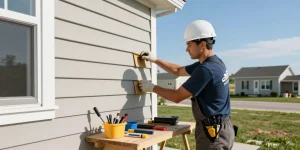
Top Strategies for a Successful Basement Renovation Project

Understanding Basement Renovation: Key Considerations
What is Basement Renovation?
Basement renovation involves transforming an unfinished or underutilized basement space into a functional and attractive area that enhances your home’s living space. This process may include constructing new walls, adding windows, installing flooring, and upgrading electrical and plumbing systems. Homeowners opt for basement renovations for various reasons, such as creating extra living quarters, a recreational area, or a home office. A well-executed basement renovation can significantly increase the value of your property, making it an investment worth considering, especially in today’s real estate market where spacious homes are in high demand.
Importance of Planning in Basement Renovation
Proper planning is integral to the success of any basement renovation project. It lays the foundation for every decision you will make, from budgeting to design. A carefully crafted plan helps homeowners anticipate challenges, such as moisture control, legal requirements, and layout constraints. Planning should encompass a detailed scope of work, a timeline, as well as preferred materials and design styles. Engaging professionals early in the planning phase can lead to more informed decisions that align with your vision while adhering to local building codes.
Common Pitfalls in Basement Renovation Projects
Like any home improvement project, basement renovations come with their own unique challenges. Common pitfalls include:
- Underestimating Costs: Many homeowners fail to accurately estimate the total costs, leading to budget overruns.
- Poor Moisture Control: Neglecting moisture issues can lead to mold growth and structural damage.
- Insufficient Lighting: Basements often lack natural light, so effective lighting planning is essential.
- Ignoring Building Codes: Failing to comply with local regulations can result in costly fines or having to redo work.
Designing Your Dream Basement: Top Trends
Current Trends in Basement Renovation Designs
Modern basement renovations reflect current trends that embrace open concepts and multifunctional spaces. Some popular design trends include:
- Open Spaces: Creating an open layout with areas for relaxation, entertainment, and work.
- Home Theaters: Installing sound systems and comfortable seating for a cinematic experience.
- Multi-purpose Rooms: Combining fitness areas, playrooms, and guest accommodations to maximize use.
Embracing these trends not only makes the basement appealing but also enriches the overall functionality of the home.
Choosing the Right Materials for Basement Renovation
Choosing appropriate materials is crucial for durability, aesthetics, and comfort. When renovating, consider:
- Water-resistant Flooring: Options like vinyl plank or tile help mitigate moisture issues.
- Insulated Walls: Protect against cold and dampness, providing a comfortable living environment.
- Natural Light Options: Including egress windows not only enhances aesthetics but meets safety codes.
Selecting quality materials also contributes to the longevity of your renovation, ensuring a return on investment over time.
Space Optimization Ideas for Small Basements
Maximizing the use of space in smaller basements requires clever design choices such as:
- Built-in Furniture: Utilize custom shelving units or fold-out beds to save space.
- Light Colors: Using lighter hues can make a small basement feel more expansive.
- Vertical Storage: Installing shelving and storage solutions that take advantage of vertical space can free up valuable floor space.
With thoughtful planning, small basements can feel as spacious and inviting as larger areas.
Budgeting for Your Basement Renovation
Estimating Costs: What to Include in Your Budget
Establishing a realistic budget is vital to ensure your renovation project stays on track. Key elements to consider when estimating costs include:
- Labor Costs: Depending on the complexity of the renovation and local rates, labor can be a significant portion of the budget.
- Permits and Inspections: Don’t overlook the costs associated with obtaining necessary permits and inspections.
- Material Costs: Allocate funds for essential materials, such as flooring, drywall, and fixtures.
Creating a detailed budget allows for better management of funds and helps avoid unexpected financial strain.
Cost-saving Tips for Basement Renovation
To keep your renovation within budget, consider these cost-saving measures:
- Reuse Materials: Salvaging materials like doors, windows, and fixtures can dramatically cut costs.
- DIY Improvements: If you’re handy, tackle smaller projects on your own, like painting or simple installations.
- Shop Sales: Timing your material purchases around sales events or using online discounts can yield significant savings.
Through strategic planning and budgeting, home renovations can be financially manageable and surprisingly affordable.
Financing Options for Your Basement Renovation
For many homeowners, financing is a critical part of planning. Popular options include:
- Home Equity Loans: Tap into your home’s equity for lower interest rates compared to other loans.
- Personal Loans: Offer flexibility but may come with higher interest rates.
- Credit Cards: Use for smaller purchases, but be cautious of high-interest rates.
Investigating all available financing options helps homeowners make informed choices that suit their financial situation.
Navigating Permits and Regulations
Understanding Basement Renovation Regulations
Each locality has specific regulations regarding basement renovations designed to ensure safety and structural integrity. It is essential to understand:
- Local Codes: Familiarize yourself with your city’s building codes that pertain to basement living spaces.
- Zoning Requirements: Know how zoning laws affect renovations, particularly regarding property lines and usage.
Compliance with these regulations is crucial to avoid fines or redo work.
How to Obtain Necessary Permits for Renovation
To start your renovation, determine the types of permits required in your area. Steps usually include:
- Research: Check with your local permitting office for required permits.
- Application Process: Complete all necessary paperwork, providing plans and fees as required.
- Inspections: Schedule inspections at various project phases to ensure compliance.
Staying organized during the permitting process can help the renovation proceed without unnecessary delays.
Building Codes to Consider in Basement Renovation
Building codes play a significant role in ensuring safety. Some important codes to consider include:
- Moisture Control: Implementing adequate drainage and waterproofing measures to combat humidity.
- Electrical Standards: Ensuring that all electrical work meets safety codes, particularly in areas prone to moisture.
- Fire Safety Regulations: Installing smoke detectors, fire exits, and fire-rated doors as required.
Being informed about building codes protects both your investment and your safety.
Maximizing Value from Your Basement Renovation
How Basement Renovation Adds Value to Your Home
A well-planned and executed basement renovation can add significant value to your home, enhancing both marketability and livability. Benefits include:
- Increased Square Footage: Transforming unused space into living areas makes your home more appealing to potential buyers.
- Modernization: Updating older, outdated basements gives a fresh appeal, which is attractive on the market.
- Rental Potential: Finished basements can be rented out for additional income, making your property more lucrative.
Investing in basement renovation can provide returns that substantially exceed the initial expenditure.
Best Practices for Post-Renovation Maintenance
After completing your renovation, maintaining your basement is vital. Follow these best practices:
- Regular Inspections: Check for signs of moisture or structural issues at least twice a year.
- Cleaning: Keep the space tidy and free of dust and debris to maintain a pleasant living environment.
- Update Systems: Regularly service heating, ventilation, and air conditioning (HVAC) systems to ensure efficiency.
Careful maintenance helps preserve your investment and ensures that the space remains a functional and enjoyable part of your home.
Expected Return on Investment from Basement Renovation
The return on investment (ROI) from basement renovations varies based on design, quality of work, and local housing market trends. On average, homeowners can expect an ROI of 70% to 75%. Factors influencing ROI include:
- Location: Homes in desirable neighborhoods often see higher returns.
- Quality of Work: High-quality finishes and features typically yield better returns.
Investing thoughtfully in your basement can result in significant financial benefits when it comes time to sell.
FAQs
How long does a basement renovation typically take?
The duration of a basement renovation depends on the project’s complexity but can range from a few weeks to several months.
Do I need a permit for basement renovations?
Most localities require permits for basement renovations, especially if structural changes are involved. Always check local regulations.
Can I finish my basement myself?
Yes, many homeowners choose DIY for finishing basements, but professional assistance may be beneficial for complex tasks like electrical or plumbing work.
What should I do about moisture in my basement?
Address moisture issues before renovation through proper waterproofing, drainage systems, and ventilation to avoid mold and damage.
Will a finished basement increase my property taxes?
A finished basement may result in higher property taxes due to increased home value. It’s advisable to consult with your local tax assessor.